
What to plan first for a wedding: the decisions that unlock everything else
Set priorities, budget range, guest-count range and location constraints before signing contracts or choosing details.
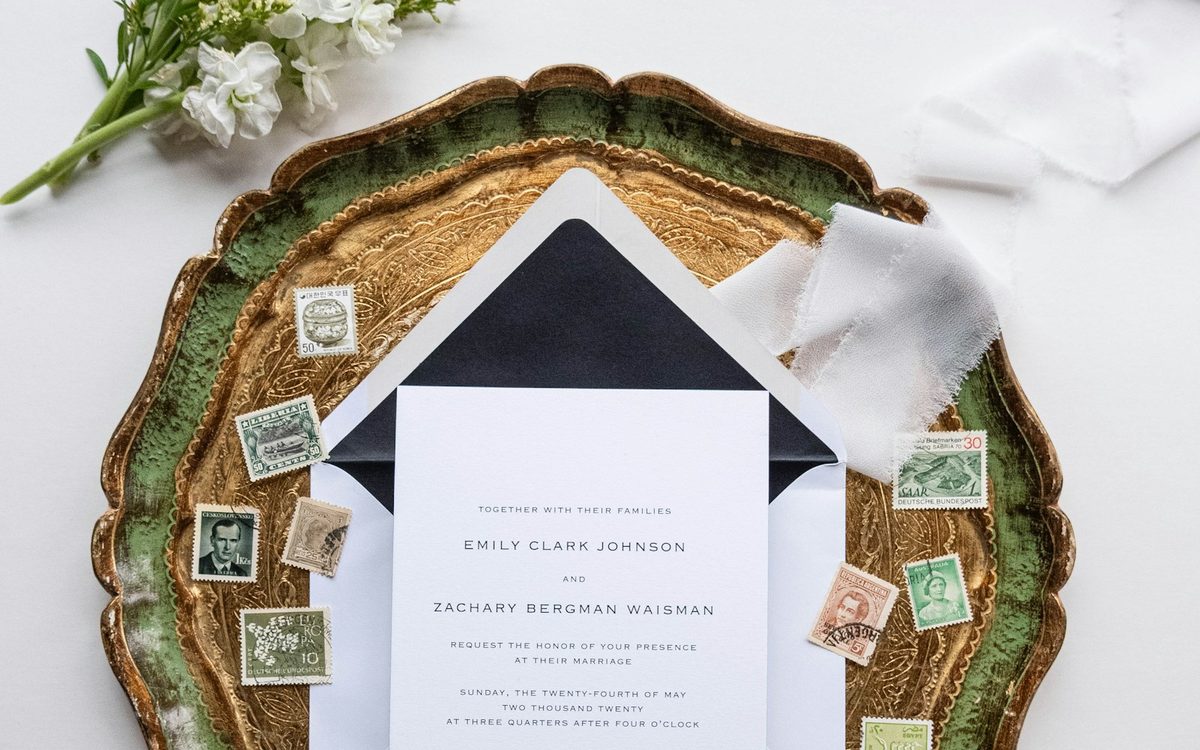
The first wedding decision is not a color palette. It is the shape of the event: who it serves, what matters most and which constraints cannot move. Those answers determine the guest list, location, date range and budget—and those decisions unlock nearly every contract that follows.
Agree on three priorities and three limits
Each partner should privately name the three experiences they care about most, then compare lists. The shared priorities might be time with guests, a religious ceremony, food, photography, live music or keeping travel simple.
Also name limits: maximum total spend, maximum guest count, locations that are not workable, accessibility requirements and dates that are impossible. A priority without a limit tends to expand until it consumes the plan.
Build a budget range, not a fictional exact total
Start with money actually available and decide whether any contribution comes with conditions. Reserve a contingency for tax, service charges, alterations, transport and last-minute changes. Track deposits and due dates separately from the total contract amount; cash flow can become a problem even when the final total is within budget.
Do not sign a venue because its base rental fits. Ask for a sample full invoice with required catering, staffing, rentals, security, cleanup, tax and service charges.
Create a guest-count range
Make an A list of people the event is built around, then a wider list. Note households, children, accessibility needs and likely travel. The point is not to predict attendance perfectly; it is to know whether you are planning for roughly 40, 90 or 180 people.
Capacity, catering minimums and lodging needs all depend on this range. It is expensive to discover after booking that the room fits the list only on paper, without space for dining, dancing or mobility devices.
Set the location and date window together
Choose the geographic area before the exact date when possible. Consider marriage-license rules, travel time, seasonal weather, major local events and the availability of essential family or officiants. A flexible date window produces more venue options than a single date chosen in isolation.
Confirm the ceremony plan as well as the reception. If they use different places, test the real travel and parking transition.
Book in dependency order
Once the budget, count, area and date window agree, the usual dependency chain is:
- ceremony requirements and officiant constraints;
- venue and confirmed date;
- planner or coordinator, if used;
- vendors who can serve only one event at that time, such as photographer, entertainment and key transport;
- catering, rentals and lodging blocks tied to headcount;
- invitations and day-of details.
Your priorities can change the order. If a specific band or cultural venue is non-negotiable, its availability belongs near the top.
Read cancellation and change terms before paying
Every promise that matters should appear in the contract: date, hours, spaces, included equipment, staffing, payment schedule, cancellation, rescheduling, substitutions, overtime and responsibility for weather decisions. Save signed copies and correspondence outside a vendor portal.
Only after these dependencies are real should visual details become the main work. Then the palette, stationery and table choices have a date, place, guest range and budget to serve—instead of forcing the foundation to catch up with them.